
SUVs promise space, comfort, and confidence—especially with all-wheel drive and extra ground clearance. But there’s a reason many owners quietly admit that the upkeep stings more than it did with their old sedan. Bigger, heavier vehicles place bigger demands on wear systems: tires, brakes, suspension, and drivetrain. The good news? With a few smart choices, you can keep your SUV sharp without draining your wallet.
Why SUVs cost more to maintain

Tires are larger and wear faster
Heavier curb weights and higher centers of gravity mean wider, higher-load-index tires. Those cost more per corner, and they can wear unevenly if alignment isn’t perfect—especially on city potholes or under frequent cargo loads. Rotations on schedule and maintaining correct pressures preserve grip and add thousands of miles to tire life. For a refresher on tire care basics and why it matters for safety and costs, see the NHTSA’s tire maintenance guidance (pressure, tread, and rotation) which is simple but effective.
Brakes work harder
Bigger mass = more kinetic energy to shed each stop. SUV brake rotors and pads often run hotter in stop-and-go traffic or downhill descents, so glazing, vibration, and quicker pad wear are common. Using quality pads matched to your driving (daily vs. towing vs. mountain descents) helps, as does flushing brake fluid on time to resist fade.
AWD/4WD adds fluids and moving parts
Transfer cases, rear differentials, and sometimes limited-slip units introduce extra fluids and service intervals you won’t see on a front-drive compact. Neglecting them risks noise, vibration, or binding that’s much pricier than a fluid change.
Suspension carries more load
Control arms, bushings, and ball joints are under more stress, and large wheels with low-profile tires can transmit impacts straight into those components. If you hear clunks over speed bumps or feel steering shimmy, address it early—play in bushings and joints can cascade into tire wear and alignment issues.
Insurance, fuel, and depreciation stack up
Beyond maintenance, ownership costs include fuel, insurance, and depreciation. Tools like Edmunds’ True Cost to Own and AAA’s Your Driving Costs calculators help you see the full five-year picture before you buy or when you’re budgeting for the year ahead.
Smart ways to cut SUV maintenance costs (without cutting safety)
Choose the right parts tier—don’t just chase the cheapest
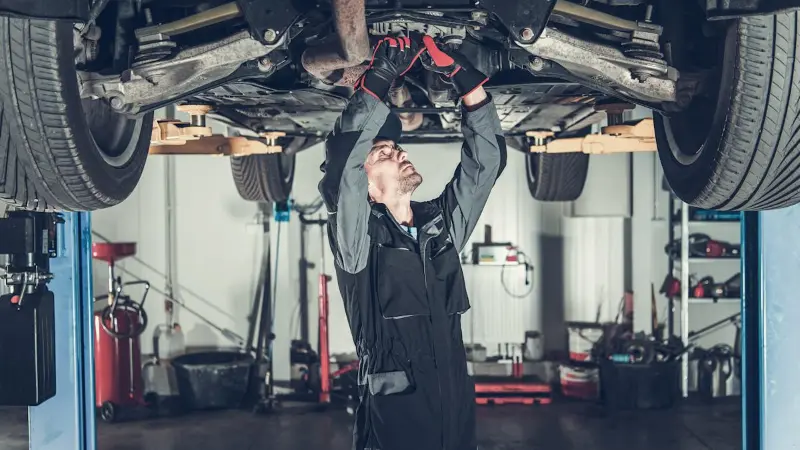
Brake pads, rotors, and tires are not interchangeable commodities. Look for parts that meet or exceed OE specs, and shop by your exact trim and axle code. When it comes to consumables, a quality mid-tier often delivers the best value per mile. If you’re refreshing maintenance items, browse a curated catalog of wear auto parts so you’re comparing like-for-like components (pads, rotors, filters, belts, wipers) with the right fit and spec.
Align early, rotate often
Alignment is the cheapest tire insurance you can buy. Check it after any curb hit or suspension work, and at least annually if you drive on rough roads. Rotate every 5,000–7,500 miles (or at oil-change intervals), and set pressures cold to the door-jamb placard. These habits alone can extend tire life by a full season.
Brake the right way
If your commute includes hills or towing, pick pads with a friction profile designed for higher temps. Replace pads and hardware (shims, clips, pin boots) together to avoid squeal and uneven wear. If your rotors are near minimum thickness or you’ve felt vibration, replace them with the pads—resurfacing thin rotors often costs more later.
Respect fluid intervals for AWD/4WD
Transfer-case and differential oils are cheap compared to driveline repair. On vehicles that see boat ramps, snow, or dusty trails, shorten intervals. When in doubt, a used-oil inspection for metal or burnt smell is a quick reality check.
Filter discipline = HVAC and engine health
Cabin filters keep the evaporator clean (reducing musty odors and blower strain) and engine air filters protect MAF sensors and turbo compressors. Swapping them takes minutes and pays back in longevity and fuel economy.
Size wheels for value and comfort
That 22-inch look can double tire costs and amplify impact damage. For daily drivers, a one-size-down wheel/tire package (that still clears brakes and maintains load rating) can be quieter, more compliant, and far cheaper to replace.
Preventive inspections at oil changes
Ask your shop to check pad thickness, tire tread depth, bushing condition, axle boots, and leaks every time you’re in for oil. Catching a torn CV-boot or seeping shock early avoids replacing the entire axle or a pair of dampers later.
Where to spend—and where to save
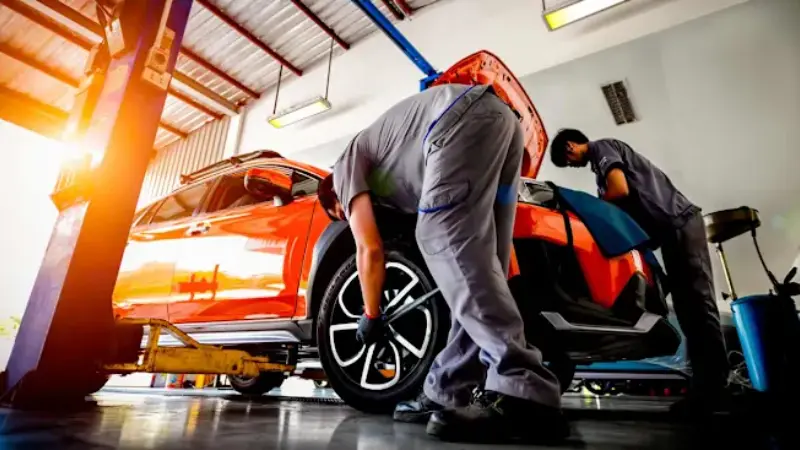
- Spend on: tires, brake components, and key fluids. These guard your safety and prevent expensive follow-on damage.
- Save on: cosmetic trims and interior bits by shopping aftermarket equivalents, and bundle service tasks (pads + rotors + brake fluid in one visit) to cut labor overlap.
- DIY wins: cabin and engine air filters, wiper blades, and even brake fluid on many models if you’re comfortable and equipped. If you’d rather buy the parts and let a shop install, having the correct part numbers in hand avoids delays and markups.
Budget like a pro
- Annual envelope. Set aside a monthly amount based on mileage and known intervals (tires every 2–4 years, pads/rotors as needed, AWD fluids 30–60k miles, coolant and brake fluid by the book).
- Use calculators. Before a big road trip or when planning next year’s budget, check AAA’s Your Driving Costs overview and Edmunds’ TCO to sanity-check your assumptions. These tools make it easier to compare an SUV to a wagon or a hybrid if you’re considering a switch.
- Track wear metrics. A $10 tread-depth gauge and a simple service log (date, mileage, parts used) reveal patterns early—like inner-edge tire wear that screams “alignment.”
SUV ownership doesn’t have to be expensive; it just requires discipline. Keep a short, repeatable checklist (pressures, rotations, fluid intervals, brake inspections), choose parts by spec and fit—not just price—and buy consumables from reliable catalogs of wear auto parts so you’re never guessing. Do that, and your SUV will deliver what you bought it for—space, confidence, and year-round versatility—without surprise bills. For extra planning help, keep AAA’s and Edmunds’ cost-of-ownership tools bookmarked; they’ll keep your expectations (and your budget) grounded.


